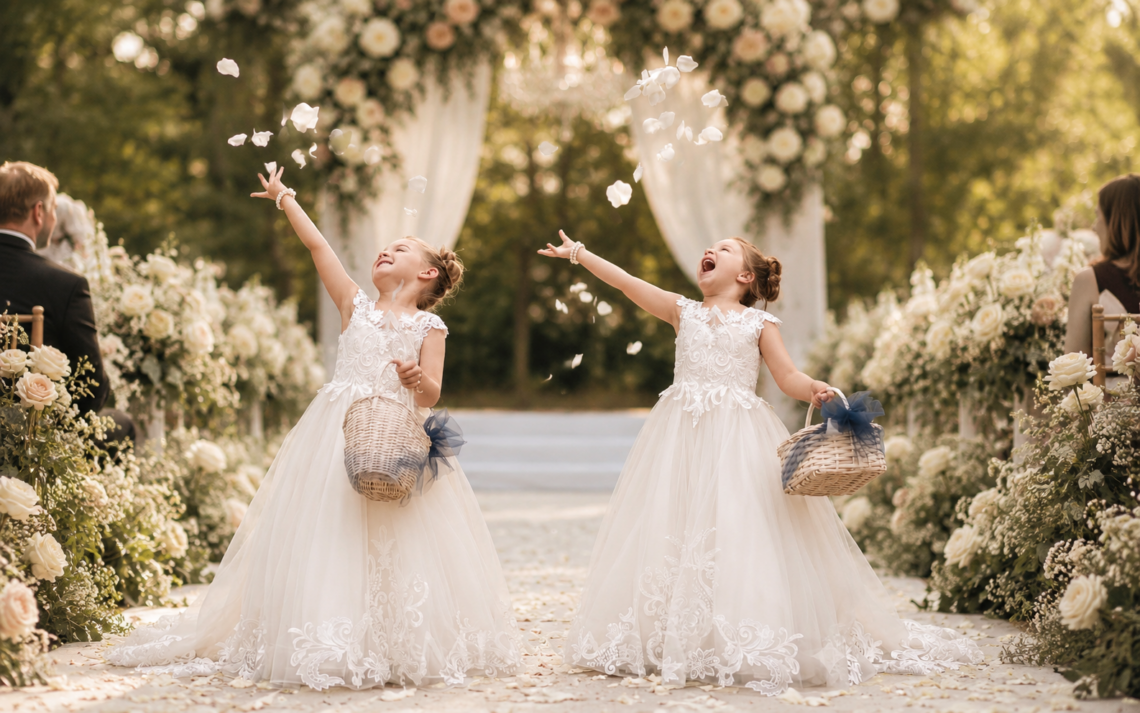
Here’s a scene that plays out at more weddings than anyone admits: the flower girl gets to the end of the aisle and stops. Arms crossed. Dress being tugged. Maybe crying. The wedding photographer is ready, the guests are watching, the bride is waiting — and the four-year-old has decided she is done.
Almost every time this happens, the dress is part of it.
Not because it looked wrong in the photos, but because it felt wrong on her body. The tulle scratched. The sash was too tight. The skirt kept catching on her shoes. She’s been in it for forty-five minutes, and she’s miserable, and now everyone in that room is about to find out.
Choosing a flower girl dress isn’t just a styling decision. It’s a logistics decision, a comfort decision, and — if you’re being realistic — a behavioral management decision. Get it right, and the walk down the aisle takes care of itself. Get it wrong, and even the most cooperative four-year-old has her limits.
Find your dress in 30 seconds — skip to what fits your situation:
| My situation | Go here |
|---|---|
| 🌸 Garden or outdoor wedding | Chiffon & Lace styles |
| ⛪ Formal church or ballroom | Satin & Ball Gown styles |
| ⏰ Wedding is less than 3 weeks away | Ship in 48hrs styles |
| 🎨 Need to match bridesmaid color | Full flower girl dresses collection |
Not sure yet? Keep reading — this guide walks through every decision in order.
The Comfort Problem Most People Discover Too Late
The most common flower girl dress mistake is prioritizing how the dress looks on a hanger or in a product photo over how it feels on a moving, running, occasionally-tantrum-prone child.
A few specifics to watch for:
Lace that isn’t lined properly. Lace bodices are beautiful, but raw lace against skin is scratchy — and kids notice it immediately. Look for dresses where lace sits over a soft underlining, not directly against the body. Missacc’s lace styles use satin or tulle underlayers, which solves this before it becomes a problem.
Tulle that’s too stiff. Not all tulle is created equal. Cheaper tulle has a stiff, almost scratchy texture; softer tulle layers drape and move without resistance. The difference matters across a four-hour event when the flower girl is asked to sit still during a ceremony, run around at the reception, and smile for what feels like six hundred photographs.
Sashes and waistbands that dig in. A beautiful back bow can have a sash that pulls tight across the waist by hour two. Look for styles where the bow is a separate tie rather than a built-in elastic band.
Sleeves with too little give. Short or cap sleeves in structured fabric can restrict arm movement — which is a problem when the flower girl needs to throw petals, wave at her parents, or generally do what children do. Sleeveless styles or soft short sleeves in flexible fabric sidestep this entirely.
The practical test, if you have the chance to try the dress before the wedding day: put it on her, then ask her to walk, sit, run, and raise her arms. If she complains about any of it, that complaint will be louder in front of two hundred guests.
Fabric First: What Each Option Actually Means for a Child
Understanding the fabric choices in a flower girl dress changes how you shop.
Satin. Smooth, slightly structured, and photographically beautiful. Satin holds its shape well and is resistant to minor wrinkles and pulls — important when a child is the one wearing it. It’s also easy to spot-clean if something gets spilled. The main consideration: heavier satin can feel warm for outdoor or summer weddings. Lighter satin constructions handle this well.
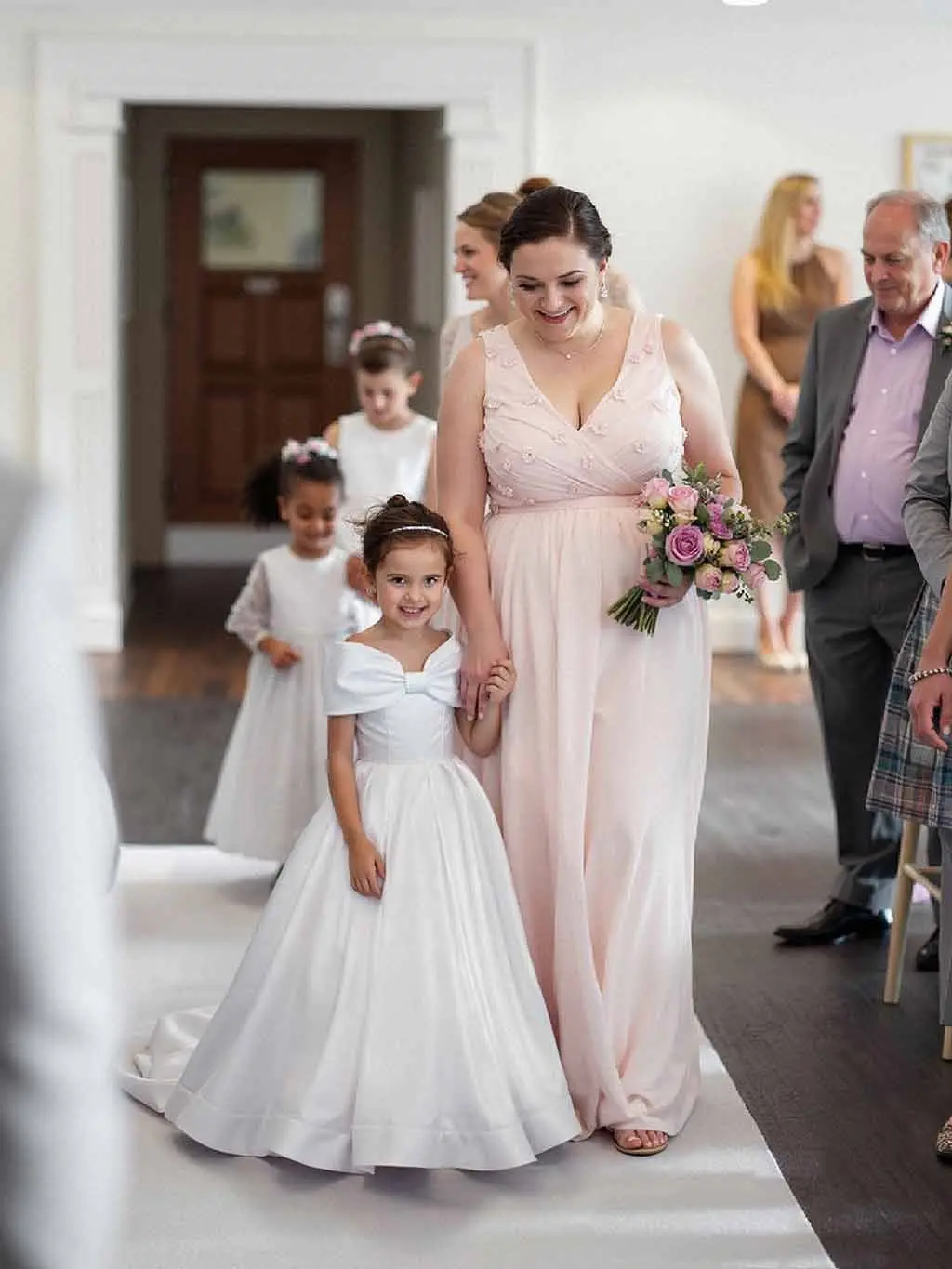
Tulle. The fabric responsible for the “princess” look. Layers of tulle create volume in the skirt without adding weight, which is why tulle ball gowns are light enough for a child to move freely despite looking substantial. The quality of the tulle matters significantly — Missacc’s tulle styles use soft-finish tulle that doesn’t have the rough texture of lower-quality alternatives.
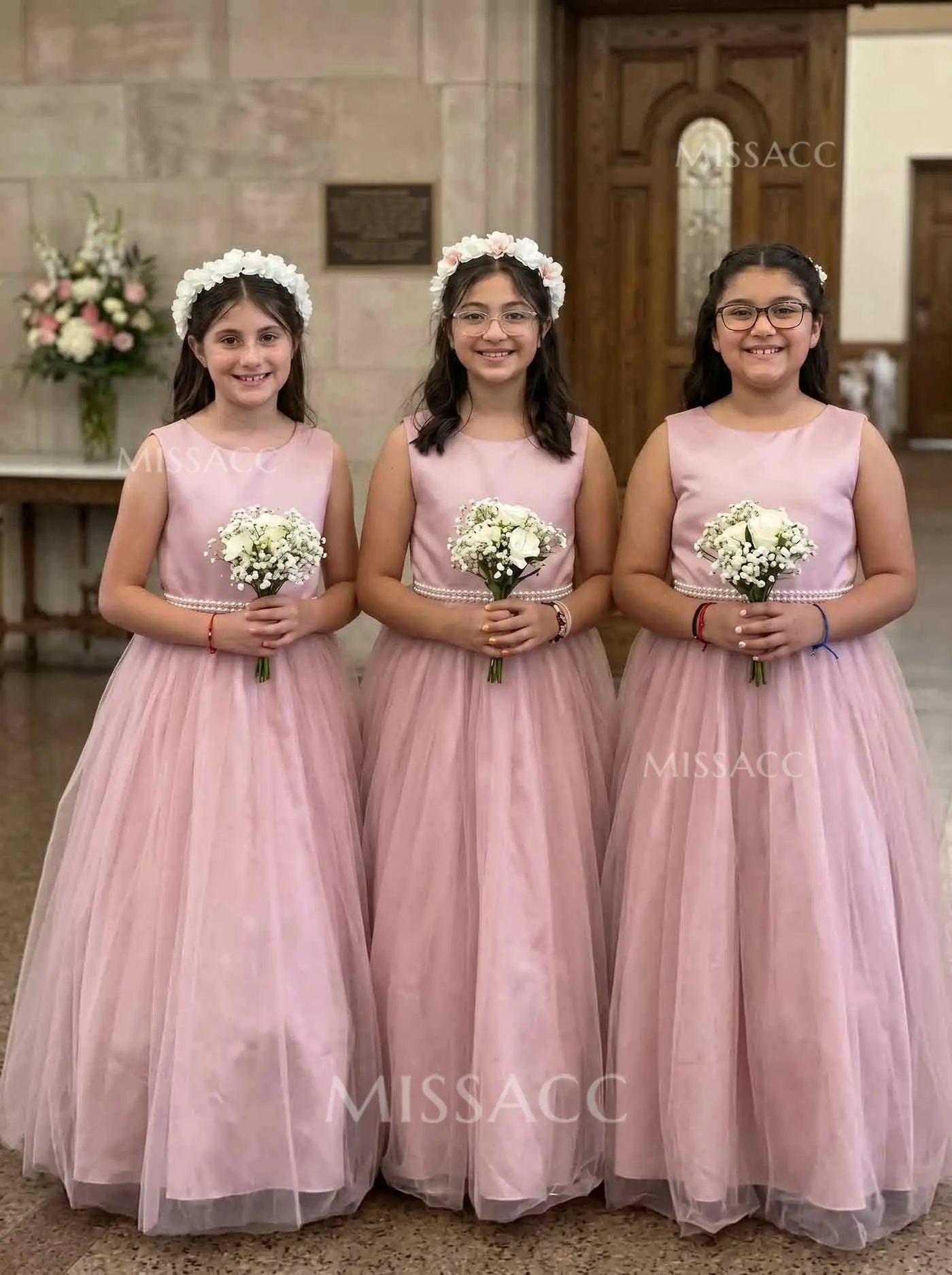
Lace. The most formal-looking option and the most detail-oriented. Lace works best over a smooth underlayer and adds texture and elegance that photographs particularly well. For boho or vintage-inspired weddings, lace is the most natural fit.
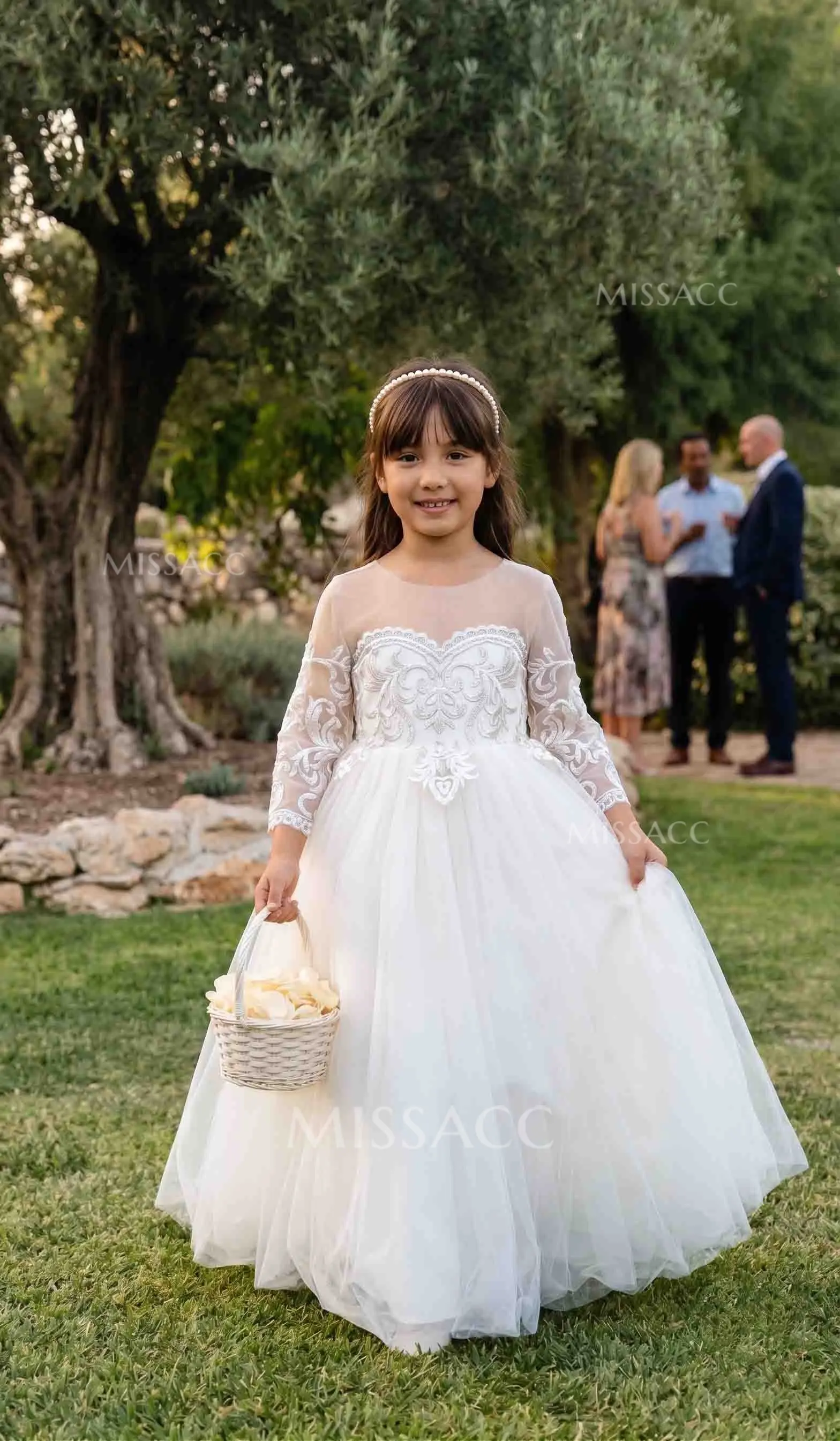
Chiffon. Lightweight, flowing, and practical for warm-weather or outdoor ceremonies. Chiffon drapes softly and doesn’t add any bulk, which makes it a comfortable choice for younger flower girls who need to move freely.
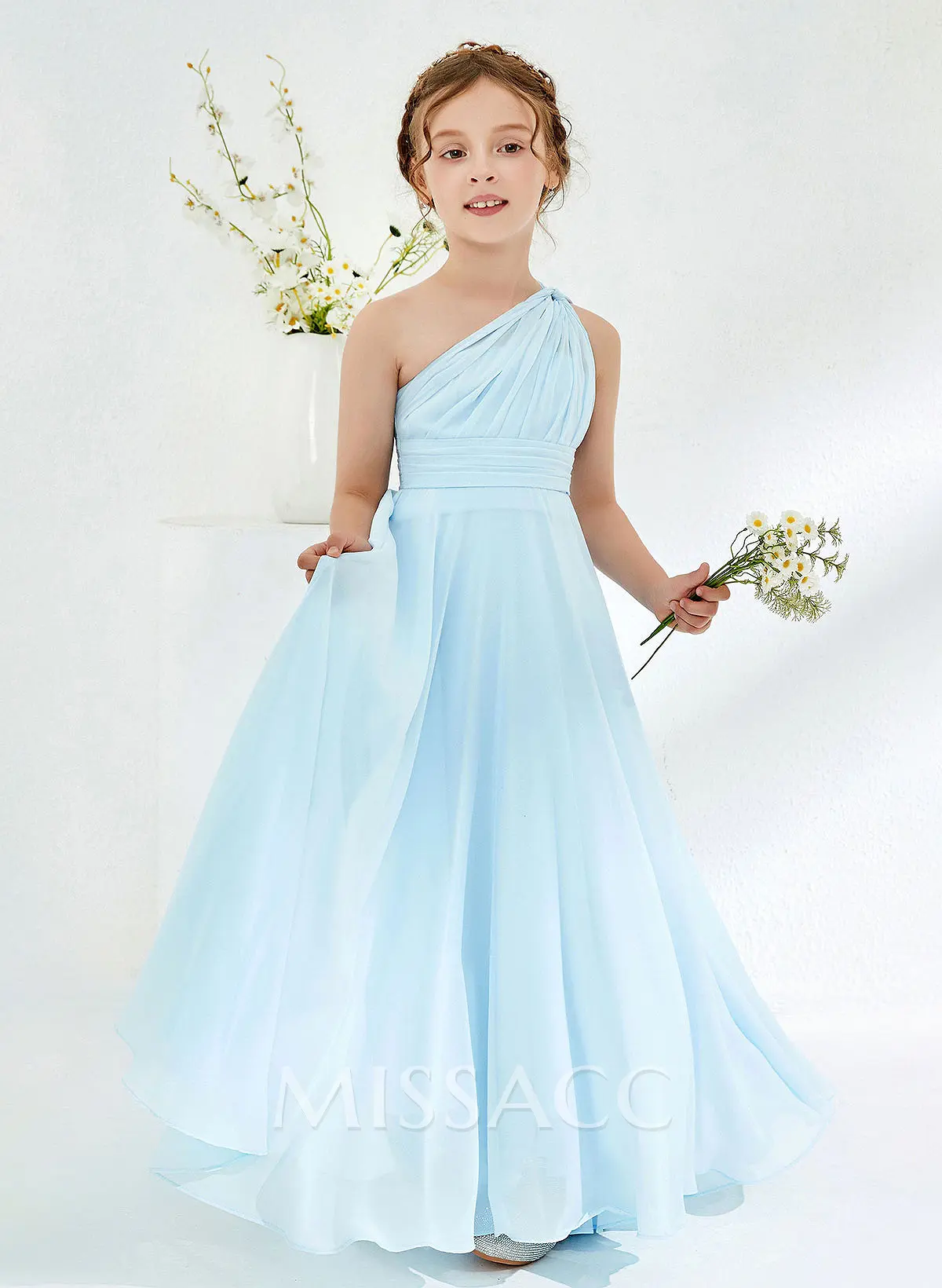
Organza. Similar to chiffon in weight but with a slight sheen and more structure. Works well in styles where the skirt needs to hold a gentle shape without the fullness of tulle.
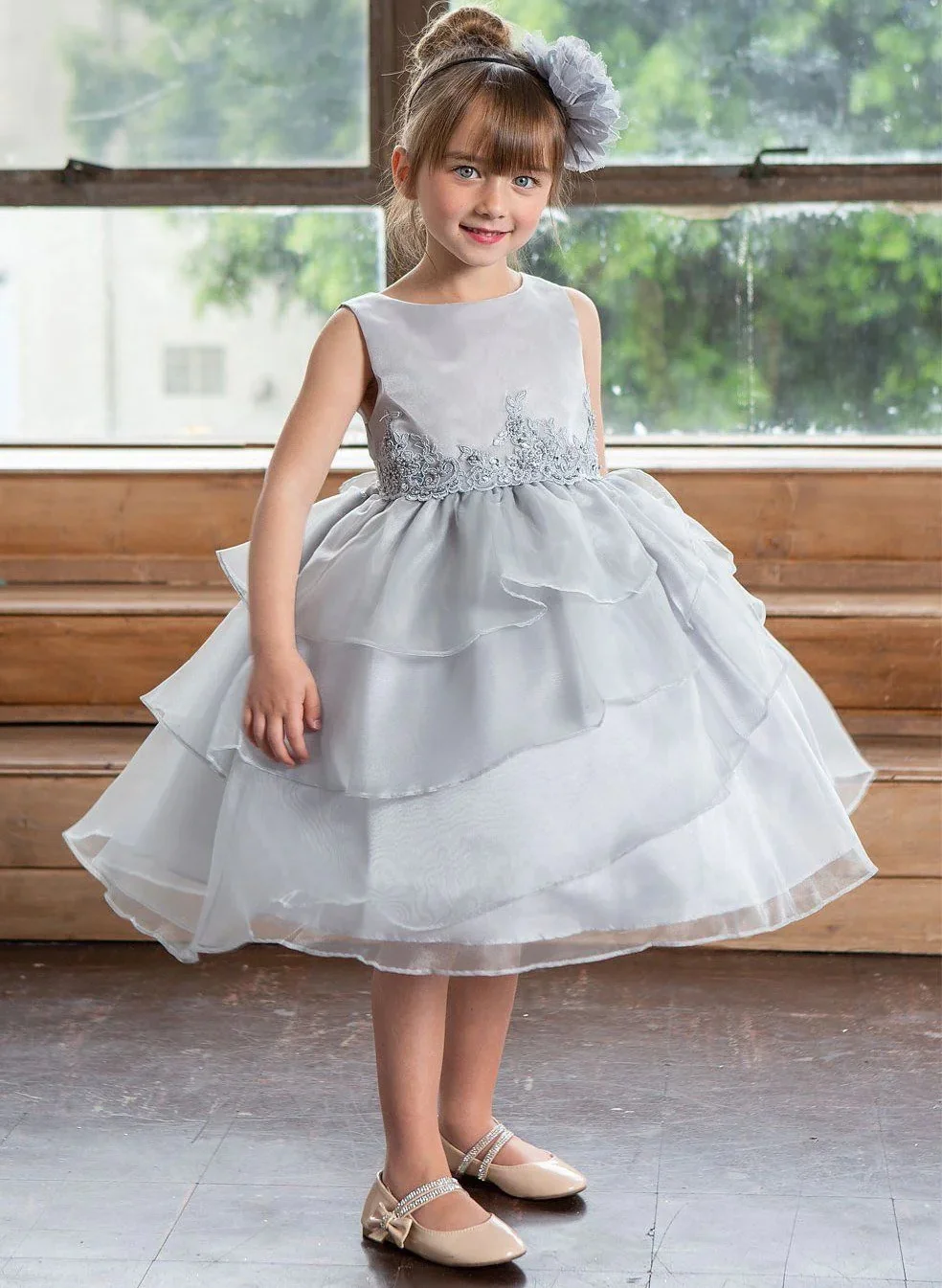
One honest note on sequins: sequined accents can be beautiful, but fully sequined fabric against a child’s skin is uncomfortable over time. Sequin details are fine; sequined bodices with no lining between the fabric and the child are worth approaching carefully.
The Bow Question
If you’ve looked at Missacc’s flower girl collection, you’ll have noticed that the bow detail appears on the majority of styles — as a back sash, a structural statement bow, a soft ribbon tie, or an oversized bow that anchors the whole back of the dress.
This isn’t an arbitrary design detail. The back bow is the signature visual moment for a flower girl, because the walk down the aisle is almost entirely a rear view. The guests, the photographer, and the wedding party see the back of the dress for the full length of the ceremony aisle. A well-placed bow at the back waist photographs beautifully from that angle and creates a clear visual anchor in wedding photos.
The style of bow matters for practical reasons too. An oversized structured bow in satin reads as formal and elegant. A soft ribbon tie reads as relaxed and romantic. A cascading sash bow works for ball gown silhouettes with significant skirt volume. If you’re undecided, the most versatile option is a mid-size satin bow that sits cleanly at the back waist — it works across dress codes and photographs well in every lighting condition.
🛍 Not Sure Where to Start? Three Styles That Work for Most Weddings
These are the three most versatile starting points in Missacc’s flower girl collection, based on wedding theme:
For formal or church weddings A-line floor-length satin dress with back bow. Clean silhouette, structured enough for a formal ceremony, comfortable enough for a child to wear for four hours. Available in white, ivory, and 20+ colors. → Shop A-line Satin styles
For garden, outdoor, or boho weddings Boho A-line lace dress with soft tulle underlayer. The lace adds texture and romance without stiffness; the A-line cut gives full range of movement. Works especially well in ivory or champagne. → Shop Lace Boho styles
For princess-obsessed flower girls Ball gown tulle dress with satin bow. Full skirt, dramatic silhouette, and the soft-finish tulle that won’t scratch after the first hour. The style most likely to make a four-year-old excited to walk down the aisle. → Shop Ball Gown Tulle styles
→ Browse all flower girl dresses → https://www.missacc.com/category-wedding-party-dresses-flower-girl-dresses
Frequently Asked Questions
What is the best fabric for a flower girl dress?
Satin is the most practical all-round choice — it holds shape, photographs well, resists minor damage, and is easy to spot-clean. Tulle is the best option if you want volume and a classic princess silhouette; soft-finish tulle is key. Chiffon works best for outdoor or warm-weather ceremonies. Avoid fully sequined styles for younger children, as sequined fabric is uncomfortable against skin over a long event.
Should the flower girl dress match the bridesmaids?
It doesn’t need to be identical, but it should coordinate. The most cohesive approach is the same color family — Missacc uses consistent color names across the flower girl and bridesmaid collections, making this straightforward. An ivory dress with a colored sash in the bridesmaid hue is a widely used alternative that avoids the exact-match problem entirely.
What color flower girl dress should I choose?
White and ivory are traditional and work year-round. If the bride is wearing ivory, choose ivory rather than white to avoid a visible mismatch in photographs. Colored dresses in the bridesmaid palette — dusty rose, sage, dusty blue, champagne, navy — create a unified wedding party look. The decision comes down to whether the couple wants the flower girl to echo the bride (white/ivory) or the bridal party (bridesmaid color).
How do I size a flower girl dress correctly?
Measure chest, waist, and height, and match those numbers to the size chart on the specific product page rather than using age as your guide. When a child falls between sizes, choose the larger. Custom sizing is available for children outside standard ranges or for anyone who wants an exact fit.
When should I order a flower girl dress?
6–8 weeks before the wedding for standard sizes; 8–10 weeks for custom sizing. If timing is tighter, filter to Ship in 48hrs styles — these dispatch within two business days.
What length should I choose?
Floor-length and tea-length work for formal weddings. Knee-length and shorter styles are more practical for younger children (under 5) or outdoor venues where ease of movement matters. As a general rule: the younger the child, the shorter the hemline.
Who pays for the flower girl dress?
There’s no universal rule. Traditionally the flower girl’s family covers it, but many couples purchase the dress when they have specific styling requirements. Decide early and communicate clearly to avoid last-minute confusion.